Dandruff and Hair Fall: Why Your Hair Is Becoming Thin and Falling
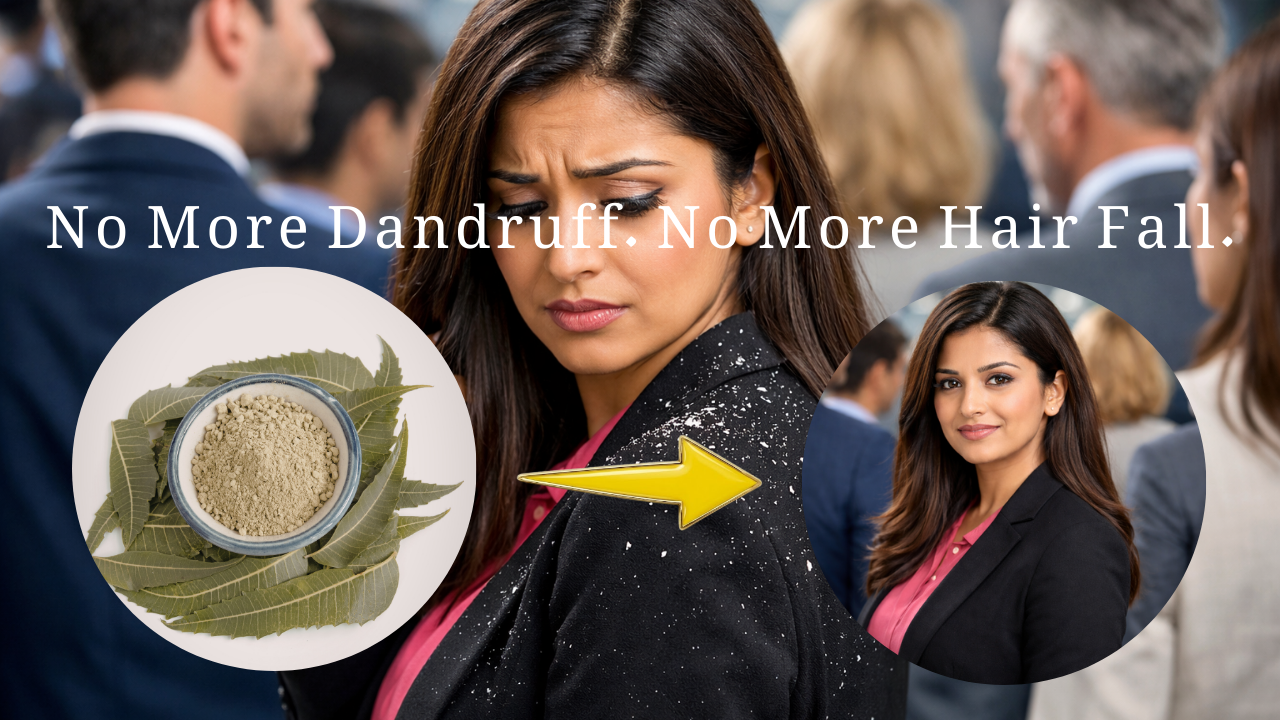
If you notice white flakes on your shoulders, feel constant scalp itching, and see thin, weak hairs falling every time you comb, you are not alone.
Millions of adults between 20–45 years old experience the same frustrating problem:
Persistent dandruff + gradual hair thinning + increased hair fall.
Many people assume dandruff is just dry scalp or poor hygiene, but that is not true.
The reality is that dandruff and hair fall are usually connected through a biological process happening on your scalp.
Understanding the real cause can help you control the problem and restore healthier hair.
What Is Dandruff Actually?
Your scalp constantly renews itself through a natural process called skin cell turnover.
Normally this cycle works like this:
- New skin cells form in deeper layers of the scalp
- They slowly move upward over about 28 days
- Old cells shed invisibly without forming flakes
This process usually happens without you noticing.
However, when dandruff develops, the cycle speeds up dramatically.
Instead of 28 days, the scalp begins shedding cells within 7–14 days.
Because the cells do not mature properly:
- They clump together
- They shed in visible white flakes
- They collect on hair and clothing
This accelerated shedding usually happens due to irritation, inflammation, or microbial imbalance on the scalp.
Common Causes of Dandruff and Hair Fall
Dandruff can develop for several reasons. The most common causes include fungal imbalance, excess oil, dryness, and scalp inflammation.
1. Fungal Overgrowth (Most Common Cause)
A natural yeast called Malassezia lives on everyone’s scalp.
Normally it does not cause problems. But when oil production increases, this yeast multiplies quickly.
Here is what happens:
- The scalp produces excess oil (sebum)
- Malassezia feeds on this oil
- It breaks the oil into fatty acids
- These fatty acids irritate sensitive scalp skin
- The immune system reacts with inflammation
- Skin cells shed faster, creating dandruff flakes
This means dandruff is not caused by dirt or poor hygiene. It is mainly caused by microbial imbalance and scalp inflammation.
2. Dry Scalp
In some people the problem is the opposite: too little oil.
When the scalp lacks natural moisture:
- The protective oil barrier weakens
- Water evaporates quickly
- Small cracks form in the skin
- Tiny white flakes appear
Dry scalp flakes are usually:
- Small and powdery
- Light in color
- Less greasy
- Often less itchy than fungal dandruff
This type of dandruff is primarily a moisture imbalance problem.
3. Excess Oil and Seborrheic Dermatitis
When excess oil, fungal growth, and immune sensitivity combine, a more persistent condition called seborrheic dermatitis can develop.
Symptoms may include:
- Greasy yellow flakes
- Redness on the scalp
- Persistent itching
- Flakes around eyebrows, ears, or beard
Seborrheic dermatitis is a chronic inflammatory scalp condition that often requires consistent treatment.
Why Dandruff Causes Hair Fall
Many people worry that dandruff permanently damages hair follicles. In most cases, it does not cause permanent baldness, but it can trigger temporary hair shedding.
Hair fall happens mainly because of the following factors.
1. Scalp Inflammation
Inflammation disrupts the environment around hair follicles.
This can:
- Weaken hair roots
- Shorten the hair growth cycle
- Push more hairs into the shedding phase
As a result, more hair falls out when washing or combing.
2. Frequent Scratching
An itchy scalp often leads to scratching.
Repeated scratching can:
- Damage hair follicles
- Break hair strands
- Increase hair fall during combing
3. Oil Buildup Around Hair Follicles
Excess sebum may clog follicle openings and disturb healthy hair growth.
When follicles become blocked:
- Hair strands grow weaker
- Hair becomes thinner over time
4. Nutritional Deficiencies
Hair health also depends on proper nutrition.
Low levels of the following nutrients can worsen hair thinning:
- Protein
- Iron
- Zinc
- B-vitamins
Deficiencies may cause weak hair shafts, slow growth, and increased breakage.
5. Stress
Stress is another major trigger.
High stress levels increase cortisol, which can:
- Increase scalp oil production
- Worsen inflammation
- Trigger more hair shedding
Why Your Hair Feels Thinner
When dandruff is severe, hair may appear thinner due to two reasons.
Hair Breakage
Dryness, scratching, and inflammation weaken the hair shaft, causing strands to snap easily.
Hair Miniaturization
Long-term scalp inflammation can gradually cause hair follicles to produce thinner hair strands.
The good news is that in many dandruff-related cases, hair thinning is reversible once scalp health improves.
Common Myths About Dandruff and Hair Fall
Many popular beliefs about dandruff are incorrect.
Myth: Oiling hair overnight cures dandruff
Reality: Heavy oil may worsen fungal dandruff.
Myth: Dandruff means poor hygiene
Reality: It is mainly caused by microbial imbalance.
Myth: Shaving the head removes dandruff
Reality: The problem exists in the scalp skin, not the hair.
Myth: Home remedies cure severe dandruff
Reality: Chronic inflammation may require medicated treatment.
Natural Herbal Remedies for Dandruff and Hair Thinning
For mild to moderate dandruff, certain natural ingredients can help restore scalp balance.
A weekly herbal scalp mask may support scalp health.
Beneficial Ingredients
Aloe Vera
- Reduces inflammation
- Soothes itching
- Hydrates scalp skin
Neem
- Supports antifungal activity
- Helps reduce scalp irritation
Fenugreek (Methi)
- Strengthens hair shaft
- Reduces breakage
Coconut Oil
- Reduces protein loss in hair
- Provides mild antifungal support
Tea Tree Oil (Diluted)
- Helps control fungal growth
- Reduces scalp irritation
How to Use a Natural Scalp Mask
You can prepare a simple scalp mask using:
- 2 tablespoons aloe vera gel
- 1 tablespoon neem powder or paste
- 1 tablespoon soaked fenugreek paste
- 1 tablespoon warm coconut oil
- Optional: 2–3 drops diluted tea tree oil
Steps
- Mix the ingredients into a paste
- Apply directly to the scalp
- Massage gently for 3–5 minutes
- Leave for 30–40 minutes
- Wash with a mild shampoo
Use once or twice per week.
Proper Hair Washing Routine
If dandruff persists, dermatologists often recommend antifungal shampoos containing ingredients such as ketoconazole.
Helpful washing tips:
- Use antifungal shampoo once per week if needed
- Use a mild shampoo on other days
- Avoid very hot water
- Avoid excessive heat styling
- Do not wash hair aggressively every day
Lifestyle Tips for Healthy Hair and Scalp
Healthy hair starts from overall body health.
Support your scalp by:
- Eating protein-rich foods like eggs, fish, and yogurt
- Ensuring iron and zinc intake
- Drinking enough water
- Managing stress through exercise or meditation
- Getting proper sleep
- Avoiding harsh chemical treatments
Your hair often reflects internal nutritional and hormonal balance.
When to See a Dermatologist
Medical advice is recommended if you notice:
- Thick yellow scalp crusts
- Severe redness or swelling
- Hair falling in clumps
- Bald patches
- No improvement after 4–6 weeks of treatment
A dermatologist may prescribe medicated shampoos or topical treatments to control inflammation and fungal growth.
Final Thoughts
If you often say:
“I have a lot of dandruff and thin hairs falling every time I comb.”
What is likely happening is:
Scalp imbalance → inflammation → weakened hair follicles → increased hair shedding and breakage.
The solution is not randomly trying new oils or shampoos every week.
Real improvement comes from:
- Understanding the root cause
- Restoring scalp balance
- Supporting hair growth with proper care and nutrition
Healthy hair always begins with a healthy scalp.
With consistent care, most dandruff-related hair problems can improve within 4–6 weeks.