Sudden Hair Fall (Telogen Effluvium): Causes, Symptoms, Diagnosis and Natural Recovery
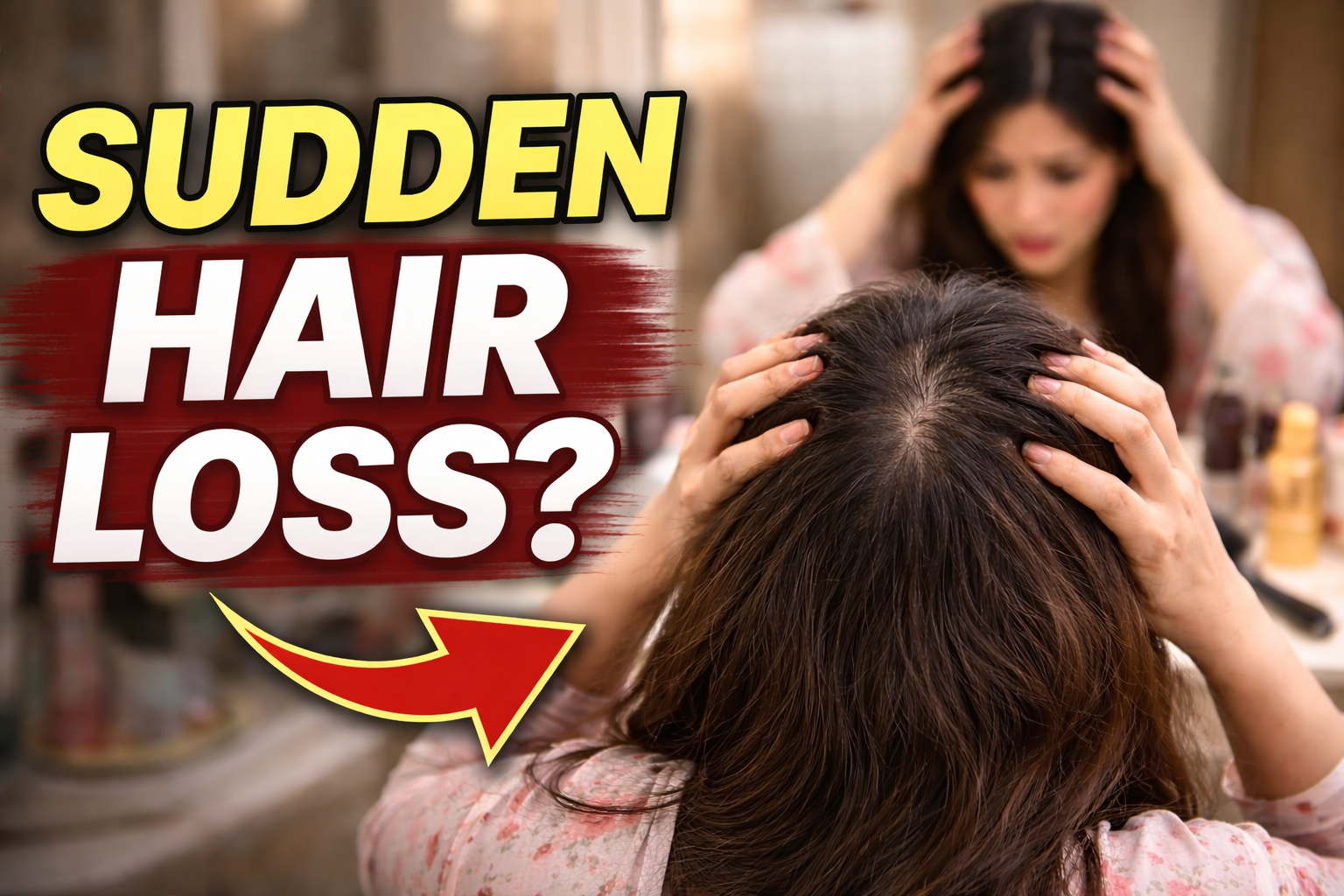
Sudden hair fall can be frightening.
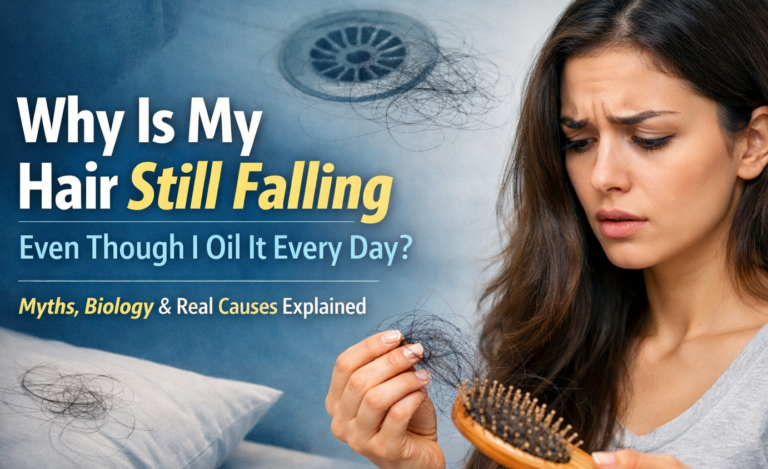
One day everything feels normal — and then within weeks, you start noticing hair on your pillow, in the shower drain, and wrapped around your comb. The shedding feels excessive, unpredictable, and completely out of control.
The immediate fear?
“Is this permanent hair loss?”
In many cases, the answer is no.
A common cause of sudden excessive shedding is a temporary condition called Telogen Effluvium. It sounds complicated, but understanding it can reduce a lot of unnecessary panic.
What Is Telogen Effluvium?
Telogen Effluvium (TE) is a temporary hair shedding disorder that happens when a large number of hair follicles enter the resting phase of the hair cycle at the same time.
Hair does not grow continuously. It follows a natural cycle:
- Growth phase (Anagen) – lasts 2 to 6 years
- Transition phase (Catagen) – lasts a few weeks
- Resting and shedding phase (Telogen) – lasts around 2 to 3 months
Normally, only about 5–10% of scalp hairs are in the shedding phase. But in Telogen Effluvium, up to 30–50% of hairs can shift into this resting phase together.
Two to three months later, those hairs begin to shed — often heavily and suddenly.
That delay is important. The trigger usually happens months before the hair fall starts.
What Causes Sudden Hair Fall?
Telogen Effluvium is usually triggered by physical or emotional stress placed on the body. It is not random — it is a reaction.
Common causes include:
Severe Emotional Stress
High stress increases cortisol levels, which can disrupt the hair growth cycle and push follicles into premature resting.
High Fever or Illness
Typhoid, viral infections, dengue, flu, or any severe infection can shock the system and temporarily interrupt normal hair growth.
Post-COVID Hair Loss
Many individuals experienced sudden hair shedding after COVID infection due to inflammation, immune stress, and fever.
Crash Dieting and Rapid Weight Loss
Hair requires protein, iron, and essential nutrients. When calorie intake drops suddenly, the body prioritizes vital organs over hair growth.
Iron Deficiency
Low ferritin levels reduce oxygen supply to hair follicles, weakening their function.
Thyroid Imbalance
Both underactive and overactive thyroid conditions can disturb normal hair cycling.
Hormonal Changes
Postpartum changes, stopping contraceptives, or hormonal shifts can also trigger shedding.
How to Recognize Telogen Effluvium
Sudden hair fall from Telogen Effluvium has some distinct patterns:
- Hair sheds from the entire scalp, not just one area
- There are no round bald patches
- Hairline usually remains intact
- Shedding increases during washing and brushing
- Daily hair loss may range from 100 to 300 strands
A simple hair pull test may show multiple strands coming out easily with gentle traction.
If you notice sharply defined bald patches instead of diffuse thinning, the cause may be different, such as Alopecia areata, which requires separate evaluation.
Telogen Effluvium vs Pattern Baldness
One of the biggest fears during sudden shedding is developing permanent baldness.
However, Telogen Effluvium is different from Androgenetic alopecia.
Telogen Effluvium:
- Sudden onset
- Diffuse thinning
- Trigger-based
- Usually temporary
Pattern baldness:
- Gradual progression
- Affects specific areas (temples or crown)
- Genetic
- Progressive over time
Confusing the two often leads to unnecessary anxiety and incorrect treatment choices.
Is Telogen Effluvium Permanent?
In most cases, no.
Telogen Effluvium is reversible once the underlying trigger is addressed. Hair follicles remain alive — they are simply in a resting state.
After the trigger is corrected:
- Shedding typically slows within 2–3 months
- New regrowth begins gradually
- Noticeable improvement may take 6–9 months
Patience is critical. Hair recovery is slow because the growth cycle itself is slow.
Proper Diagnosis: What Tests Should Be Done?
If sudden excessive hair fall continues beyond a few weeks, medical evaluation is recommended.
Common blood tests include:
- Complete Blood Count (CBC)
- Ferritin (iron storage levels)
- Vitamin D
- Thyroid profile (TSH, T3, T4)
- Vitamin B12
Identifying and correcting deficiencies often makes a significant difference.
Diagnosis of Telogen Effluvium is usually based on medical history and recent life events rather than complex procedures.
Common Mistakes That Make Hair Fall Worse
Panic often leads to overreaction. Some common mistakes include:
- Applying heavy oil daily in an attempt to “stop” shedding
- Changing shampoos every week
- Starting minoxidil without confirming the cause
- Ignoring nutritional deficiencies
Excessive oiling does not stop telogen shedding. In fact, aggressive washing afterward may increase breakage.
Treating the root cause is more effective than reacting to symptoms.
Natural and Herbal Support for Recovery
While Telogen Effluvium cannot be stopped overnight, supportive care can improve scalp health and recovery conditions.
Key goals should include:
- Reducing scalp inflammation
- Improving circulation
- Supporting nutrient supply
- Managing stress
Herbal ingredients traditionally used for scalp support include:
- Aloe vera for soothing inflammation
- Rosemary for improved circulation
- Amla for antioxidant support
- Fenugreek for strengthening hair shafts
- Ashwagandha for stress regulation
However, topical care works best when combined with proper nutrition and internal balance.
Protein intake, iron-rich foods, hydration, and stress management play a far greater role than any single product.
When Should You See a Specialist?
Seek professional evaluation if:
- Shedding continues beyond six months
- Bald patches appear
- Hairline recedes noticeably
- There are additional symptoms like fatigue, weight changes, or irregular cycles
Hair is often a reflection of internal health. Persistent shedding should never be ignored.
Final Thoughts
Sudden hair fall is emotionally distressing, but it does not automatically mean permanent baldness.
In many cases, it is simply the body responding to stress, illness, or nutritional imbalance. Telogen Effluvium is common, temporary, and reversible.
The key is not panic — it is understanding.
Correct the trigger. Support the body. Be patient with the cycle.
Hair follicles are resilient. Given the right conditions, they often recover.